Chhatrapati Sambhajinagar: Explore Its Hidden History
✨ Some cities are famous for their contemporary skylines, while others are known for their food and culture. However, very few places have preserved centuries of history in almost every street, fort, monument, and historic gate. Chhatrapati Sambhajinagar is one such place.
Chhatrapati Sambhajinagar is one of the most important historical and cultural hubs in India, the gateway to the 🌍 two UNESCO World Heritage Sites, Ajanta and Ellora Caves. Grand forts, historic temples, Mughal creations, vibrant local bazaars and centuries-old handicraft have all converged on one particular city that deserves a place on your India itinerary. Whether you’re a 📸 photographer, 🏛️ history buff, spiritual person, or just fond of unique getaways, Chhatrapati Sambhajinagar holds something in store for you.
But Chhatrapati Sambhajinagar is so much more than its most famous tourist attractions. The city has witnessed the rise and fall of great dynasties, the rule of powerful rulers, brutal wars between rival empires and amazing works of architecture that still intrigue tourists today. Walk through its ancient gateways, wander through the old bazaars, or stand atop the strong Daulatabad Fort, and you’ll come to understand that this city is not just a spot it’s a living chapter of Indian history.
In this complete travel guide to Chhatrapati Sambhajinagar, you’ll discover surprising history of Chhatrapati Sambhajinagar, we are going to know in detail why it is known as the City of Gates and what secrets it holds. You’ll also discover what are the places which are making it an unforgettable city of Maharashtra. If you enjoy reading about history and travel, don’t forget to explore the complete collection of blogs on MaharashtraViews.com.
📜 The Complete History of Chhatrapati Sambhajinagar

⏳This story did not begin during the Mughal era, nor was Chhatrapati Sambhajinagar founded by Aurangzeb, as many people believe. This 2,000-year-old city and the Deccan region have been home to many civilizations.
🏺Long before the city’s founding, Paithan, once called Pratishthana and located on the banks of the Godavari River, was the capital of the Satavahana Empire from the 2nd century BCE to the 3rd century CE. It was a thriving region that had trade relations with traders from Rome and Greece.
🏰 👑 The modern history of Chhatrapati Sambhajinagar began in 1610, when Malik Ambar, a brilliant military tactician and administrator of the Ahmadnagar Sultanate, established a new town called Khadki. Malik Ambar hailed from present-day 🌍 Ethiopia and was later brought to India as a young man where he eventually became one of the most prominent personalities in Deccan’s history.
Apart from being an exceptional military strategist, Malik Ambar was an excellent city planner. He designed Khadki with well-planned roads, markets, gardens, and an ingenious water management system that supplied water to different parts of the city using gravity. What is more interesting is that even after many centuries, some portions of this system remained functional.
After Malik Ambar’s death, Fateh Khan, son of Ambar, continued to expand the settlement and renamed it Fatehnagar. Even though the city grew with time, it had its greatest transformation at the hands of Mughals.
In 1653, Aurangzeb was appointed Viceroy of the Deccan. Aurangzeb recognized the city’s strategic location and shifted his administration to Fatehnagar. Later, he renamed it Aurangabad. From, here the empire directed most of its operations across the Deccan and its city became an extremely important administrative and military center.
The Mughal Era and the Rise of Maratha Influence
There are still several amazing structures belonging to the Mughal era and there is no denying their charm. Among them, the graceful Bibi Ka Maqbara stands out. It was built by Prince Azam Shah in memory of his mother, Dilras Banu Begum. Although visitors often call it the “Mini Taj Mahal,” it has its own unique identity and remains one of the city’s most iconic landmarks.
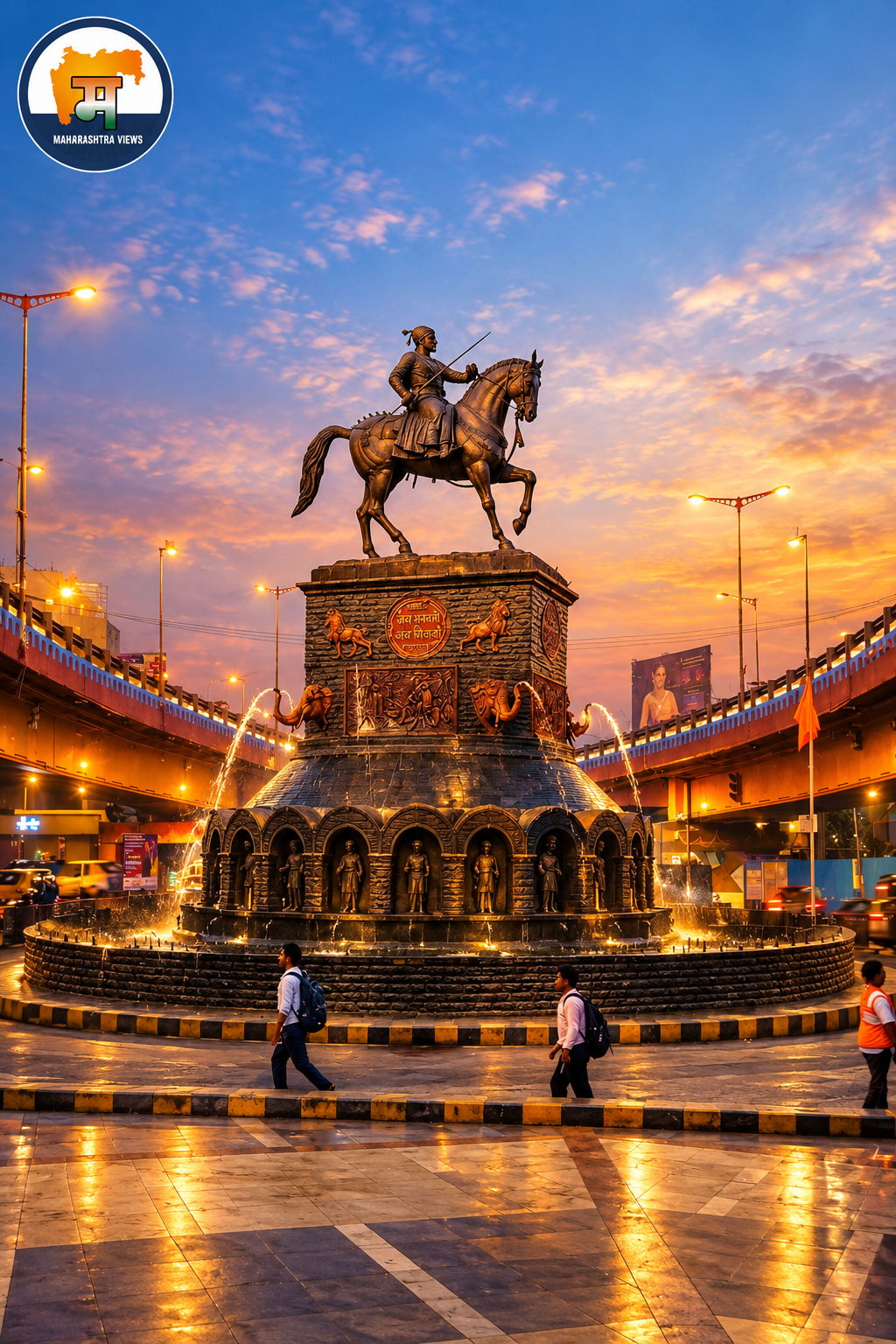
Aurangzeb spent the last phase of his life in the Deccan and the city of Aurangabad always remained associated with the long conflict against the Marathas. years of conflicts with the Mughals on one hand and the Maratha forces of Chhatrapati Shivaji and later Chhatrapati Sambhaji Maharaj on the other shaped the history of the Deccan which contributed to the establishment of Maratha Empire.
The Government of Maharashtra renamed the city Chhatrapati Sambhajinagar on June 21, 2022, in honor of Chhatrapati Sambhaji Maharaj and his sacrifices and valor. Today, the name reflects the city’s rich history, culture, and heritage and stands as a symbol of Maharashtra’s proud legacy.
🚪 Chhatrapati Sambhajinagar – The City of Gates Where the Past Still Lives


One of the most interesting identities of Chhatrapati Sambhajinagar is its identity as the ‘City of Gates’. During the medieval period, nearly 52 gates were built to defend the city. These gates served several purposes, including the entry of traders and visitors, as well as security of routes.
Some of the best-known gateways are Paithan Gate, Bhadkal Gate, Delhi Gate, Roshan Gate, and Makai Gate, which exhibit marvel of their times. At present, all these gateways act as witness to the shining history of the city.
As you go a little further of these ancient portals you’ll find the old parts of city, like Shahgunj, Osmanpura, Gulmandi, and Aurangpura that hold the old-world magic in their narrow lanes, old bazaars, and historic buildings. Go a little farther, and you’ll come across the new city areas, like Seven Hills, CIDCO, TV Centre, Kranti Chowk, and Jalna Road.
This beautiful mix of old and new constitutes the distinctive personality of Chhatrapati Sambhajinagar – a city where every street connects the present with the past.
🌍 Why Chhatrapati Sambhajinagar Should Be on Every Traveller’s Bucket List
A wonderful blend of culture, spirituality, architecture, and natural beauty can be found in Chhatrapati Sambhajinagar. few cities in India offer such a combination. Within a short drive, you can explore two UNESCO World Heritage Sites, ancient forts, wonderful Mughal Structures, divine temples or the engineering Feats which are functioning for ages and ages.
Ellora Cave

One of the largest attractions in the city is the Ellora Caves, which comprises 34 rock-cut structures built in the 6th to 10th century and is enlisted as a UNESCO World Heritage Site. Buddhism, Hinduism, and Jainism are represented here in this series of caves making Ellora one of the finest examples of unity of various religions in Indian history. A masterpiece here is the Kailash temple (Cave 16) which was carved from a single massive rock. Historians and engineers are amazed even today with the skillful work required to carve it from scratch.
Ajanta Caves

Just about 100 km away from this site the Ajanta Caves, are a world-famous UNESCO World Heritage Site. These caves are over 2,000-years-old and are known for having some of the finest Buddhist mural paintings, sculptures, monastic quarters and prayer halls. Painting at Ajanta is among the earliest specimens of Indian fine art and people from across the world, including researchers and historians, are fascinated by them.
Daulatabad Fort

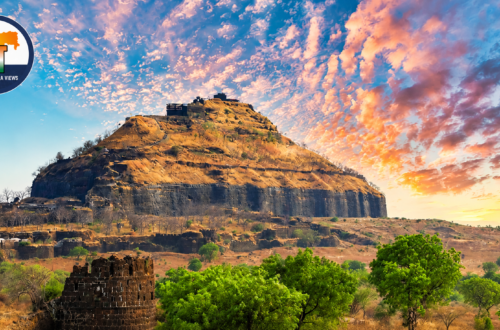
Daulatabad Fort, also known as Devagiri, situated atop a cone-shaped hill. This fortified structure is famous for its unique defence mechanism, including treacherous moats, hidden passages, and the famous ‘Andheri’ tunnel considered one of the most invincible forts in the history of Indian military architecture. Climbing up to the fort complex takes you through the past while catching astonishing
Grishneshwar Temple

Located just a few kilometres from Ellora is the sacred Grishneshwar Temple, one of the 12 revered Jyotirlingas of Lord Shiva. The temple welcomes thousands of devotees every year and is admired for its beautiful stone carvings and spiritual atmosphere.
🌅 Other Places to Explore
Other attractions worth exploring include:
- 💧 Panchakki – A 17th-century water mill powered by an ingenious underground water channel.
- 🪨 Aurangabad Caves – Ancient caves known for their Buddhist sculptures.
- 🏛️ Soneri Mahal – A beautiful historical palace.
- 🕌 Khuldabad – A peaceful historic town where Aurangzeb’s simple tomb is located.
- 🌊 Jayakwadi Dam – A popular destination for nature lovers and birdwatchers.
💎 Hidden Facts That Make Chhatrapati Sambhajinagar Even More Fascinating

Beyond its famous monuments, Chhatrapati Sambhajinagar hides countless stories that many visitors never discover.
| 🕌 Aurangzeb’s Tomb | 🌏 Many Cultures, One City |
|---|---|
| aurangzeb’s grave is situated in kuldabad | You can delve into Buddhist, Hindu, Mughal, Jain and Maratha heritage in a trip. |
| 💧 Malik Ambar’s Water System | 🧵 Paithani & Himroo |
| A clever system used gravity to distribute water around the city. | Paithani sarees and Himroo shawls represent the weaving heritage of this area. |
🍛 Experience the Local Food and Culture of Chhtrapati Sambhajinagar
The local food and markets of Chhatrapati Sambhajinagar are an essential part of the trip.
The city’s popular specialty, Naan Qalia, reflects its strong Mughal influence and remains a beloved traditional dish.Along with these you also have the most authentic Maharashtrian dishes – Misal Pav, Pithla Bhakri, spicy mutton dishes and the tempting sweets and street food available across the city.
For a shopping trip you can explore Gulmandi, Nirala Bazaar and surrounding shopping spots which have everything from the indigenous crafts to innovative stuffs. if you’re looking for souvenirs, the unique Paithani sarees, the chic Himroo shawls, indigenous weaves and the local artwork are an absolute sight.
To reach Chhatrapati Sambhajinagar, flights, trains, and highways are easily available connecting you to any part of the country. Local taxis, app-based cab services, and auto-rickshaws are available for easy sightseeing, letting you see majority attractions on a relaxed three- to four-day trip
🌅 Final Thoughts

Chhatrapati Sambhajinagar: Not just a city of monuments, but a living piece of history. Every gateway, fort, tomb, cave, and market in Chhatrapati Sambhajinagar tells a story of its glorious past and an important chapter of Indian history—from Malik Ambar’s farsighted city planning and the grandeur of Mughal art to the sacrifices of the Marathas and the architectural wonders of Ajanta and Ellora. World renowned rock-cut architecture, massive fortresses or deep spiritual serenity, the soul of Maharashtrian food or strolling through history- etched ways, Chhatrapati Sambhajinagar offers something unique for everyone! Once you visit, you’ll understand why this remarkable destination is considered one of Maharashtra’s greatest historical treasures—and why every traveller should experience its stories at least once in a lifetime.


You May Also Like
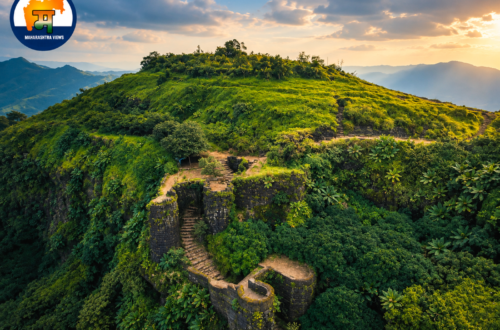
Sinhagad Fort: Ultimate Guide to Pune’s Famous Fort
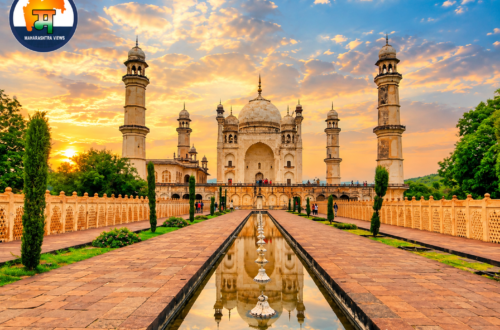
Bibi Ka Maqbara: A Legendary Story of Love & Legacy